Why Do Jack in the Box Prices Vary by Location?
Last Updated: July 2026
Editor’s Note: This guide explains why menu prices differ between Jack in the Box locations. Pricing information is based on official Jack in the Box resources, franchise pricing policies where applicable, and industry reporting. Individual restaurant pricing may change without notice.
Quick Answer
Jack in the Box prices vary because most restaurants are independently franchised. Local labor costs, rent, taxes, app-exclusive offers, delivery markups, and regional promotions all affect menu pricing. The best way to see current prices is by selecting your local restaurant in the official app or website.
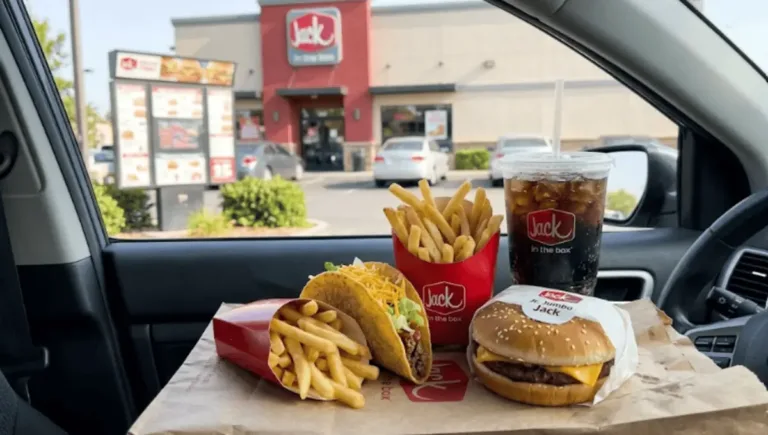
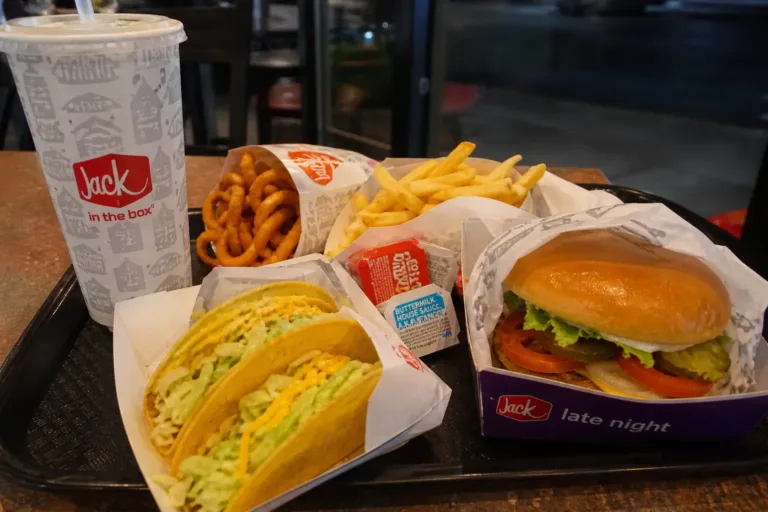
If you’ve ever noticed that a Jumbo Jack or two tacos cost different amounts at two different Jack in the Box locations, even ones just a few miles apart, you’re not imagining it. Jack in the Box does not use a single, nationwide price list.
The company’s own product pages note that pricing and availability vary by location, and in some cases, the same combo meal has been reported to cost several dollars more at one location than another in the same city. Here’s what actually drives the difference.
At a Glance
| Factor | Can It Affect Prices? |
| Franchise ownership | ✅ Yes |
| Labor costs | ✅ Yes |
| Local rent | ✅ Yes |
| State taxes | ✅ Yes |
| App promotions | ✅ Yes |
| Delivery apps | ✅ Yes |
| Limited-time offers | ✅ Yes |
| Supply chain & distribution | ✅ Yes |
While every location is different, these are the primary factors that explain why menu prices can change between restaurants, cities, and ordering channels.
1. Franchise Ownership
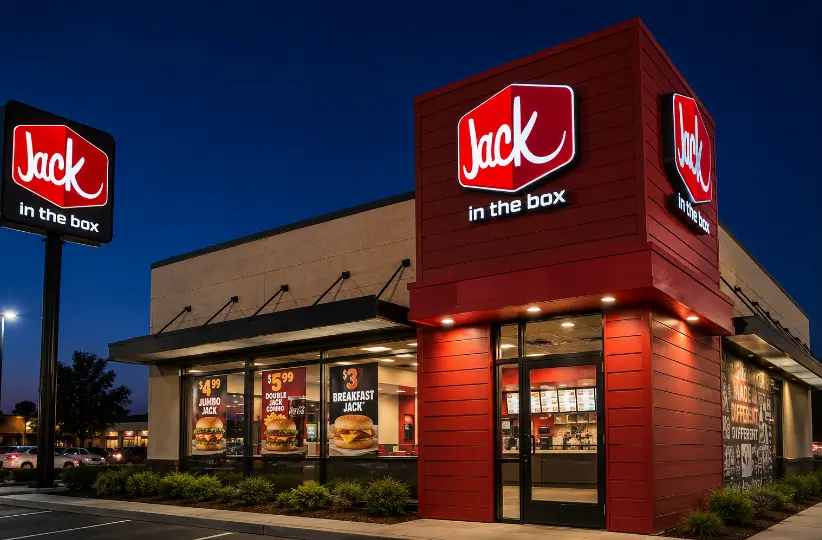
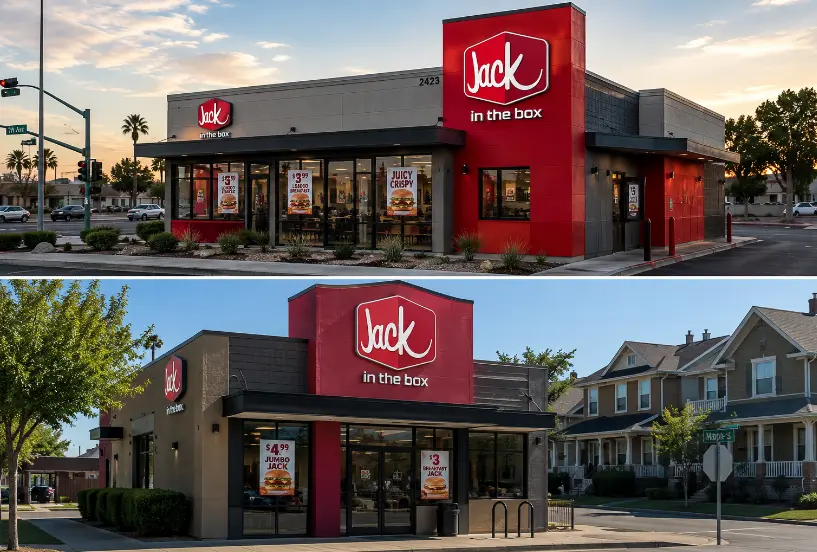
Most Jack in the Box locations are independently owned and operated by franchisees, not the corporate parent company. Each franchise owner sets menu prices for their own restaurant(s) based on their individual costs, which means two locations under the same brand can legitimately charge different amounts for the same item, even within the same city.
2. Local Labor Costs
Minimum wage and labor costs vary significantly by state and city. California is a notable example: state law set a $20/hour minimum wage specifically for fast-food workers, starting in April 2024—a cost that gets reflected in menu pricing at California locations more than in many other states. We cover California’s pricing situation in more detail in our dedicated California pricing guide.
3. Rent and Operating Expenses
Commercial rent, utilities, and the general cost of doing business differ widely between a location in a major metro area versus a smaller town. These fixed costs factor directly into how a franchise owner prices their menu.
4. State and Local Taxes
Sales tax and other local business taxes vary by state and municipality, which can affect the final price a customer pays even when the base menu price is the same.
5. Digital and App-Exclusive Pricing
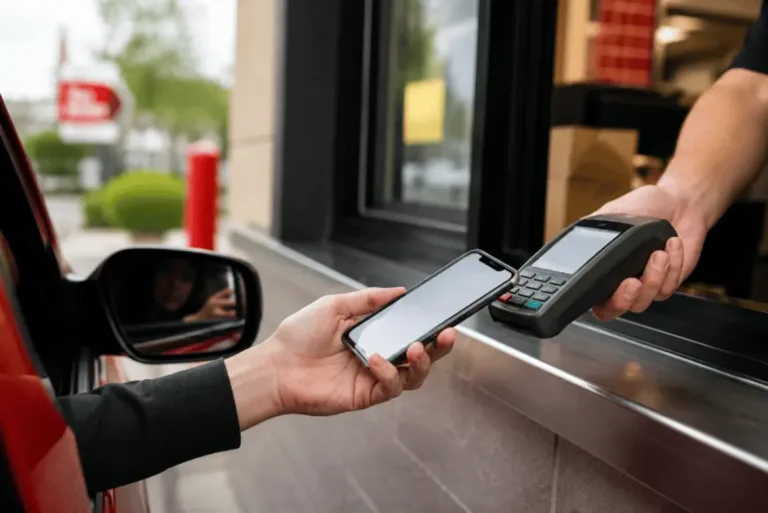
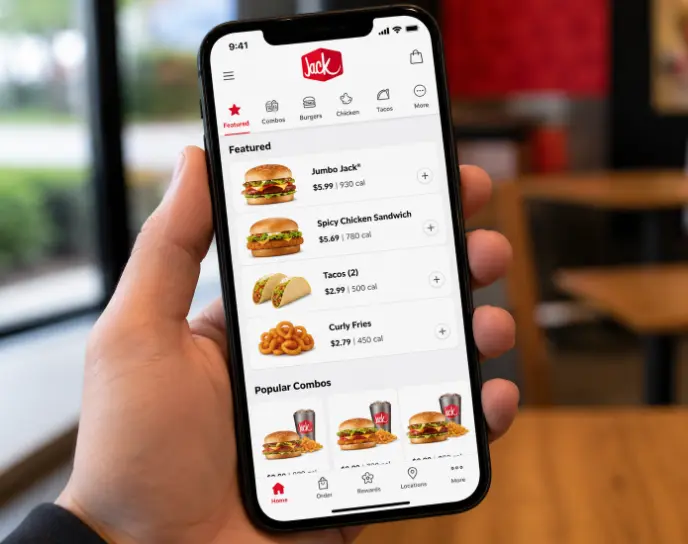
The Jack in the Box mobile app regularly features digital-exclusive offers, loyalty rewards, and limited-time discounts that may not be available at the drive-thru or inside the restaurant. However, standard app prices are not always lower than in-store prices — it depends on what’s currently active. Check our Rewards page for how the loyalty program factors into this.
6. Delivery Platform Markups
Delivery prices may be higher than in-store or app prices because third-party platforms can apply service fees, delivery charges, or menu markups that are outside Jack in the Box’s direct control.
7. Limited-Time Promotions
Regional and time-limited promotions — like flash discounts or anniversary deals — can temporarily lower prices at some locations while others continue with standard pricing. Once a promotion ends, prices typically return to the local standard rate. Our Taco Tuesday guide covers one recent example of this.
8. Supply Chain & Distribution
Regional distribution costs can also influence pricing. Restaurants farther from suppliers or distribution centers may face higher transportation and inventory costs, which can contribute to local price differences.
9. Broader Industry Price Trends
It’s not just Jack in the Box; quick-service restaurant chains across the industry have faced upward pricing pressure in recent years due to rising ingredient, labor, and operating costs. According to the U.S. Bureau of Labor Statistics, food-away-from-home prices have continued to trend upward as part of broader inflationary pressure on the restaurant industry. Industry coverage has noted that Jack in the Box, like many competitors, has room to continue adjusting prices to offset these pressures, which adds another layer to why prices you remember from a year or two ago may not match what you see today.
Why This Matters When You’re Ordering
Understanding how franchise pricing works helps explain why menu prices change over time and why two nearby Jack in the Box restaurants can charge different amounts for the same meal. Rather than relying on screenshots or outdated menu pages, always verify pricing for your selected location before placing an order, including on this site. We do our best to reflect typical pricing, but “typical” isn’t the same as “your local price.” For state-specific details, see our Texas and California pricing guides, or build a sample order with your local pricing in our Meal Estimator.
Frequently Asked Questions
Why did I see a different taco price than what’s listed online?
Menu-tracking sites, including this one, reflect typical or recently reported pricing—not a live feed from every location. Franchise pricing, regional costs, and promotions all cause real variation. Check the app for your exact local price.
Do all Jack in the Box locations use the same prices?
No. Most locations are independently franchised, and each owner sets their own pricing based on local costs.
Is app pricing always cheaper than in-store?
Not always; it depends on current promotions. App-exclusive deals can lower prices temporarily, but standard app pricing isn’t guaranteed to be cheaper than in-store.
Does this affect combo and bundle pricing too?
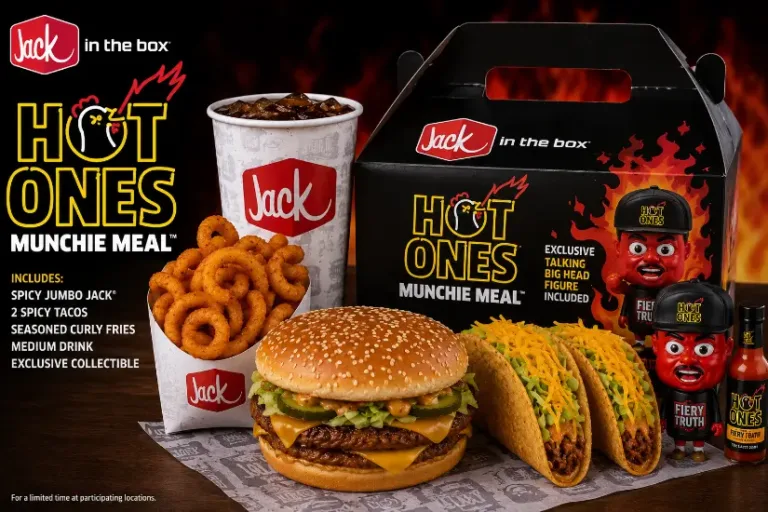
Yes. The same location-based factors that affect individual item pricing also apply to combos, bundles, and munchie meals.
Have Jack in the Box prices gone up over time?
Broadly, yes, this reflects an industry-wide trend, not something unique to Jack in the Box. Rising labor, ingredient, and operating costs have pushed menu prices higher across most quick-service chains in recent years.
Why are Jack in the Box prices higher in California?
California restaurants often have higher operating costs, including labor, rent, and local regulations. Because most Jack in the Box locations are franchised, owners adjust prices to reflect these regional expenses.
Why do two Jack in the Box restaurants in the same city have different prices?
Many Jack in the Box restaurants are independently franchised. Even locations only a few miles apart may have different operating costs, promotional offers, and pricing strategies, which can result in different menu prices.